
For most of us today, changing our religious beliefs is understood as a personal right — a matter of conscience. But throughout much of Christian history, things were very different. In many eras, leaving the faith or publicly challenging official doctrine wasn’t just discouraged… it could be illegal, and in some cases, even punishable by death. In this episode, we explore: 🔹 How the Old Testament shaped early views of apostasy 🔹 Why early Christians opposed coercion — and what later changed 🔹 The legal codes of Christian emperors such as Theodosius II and Justinian 🔹 The role of the medieval Church, the Fourth Lateran Council, and inquisitorial systems 🔹 Cases like Pomponio Algerio and Giordano Bruno in the Papal States 🔹 How and why modern Catholic teaching shifted toward religious liberty 🔹 Whether the Church now considers these past policies an error Throughout the episode, we’ll examine original historical documents, Church councils, papal decrees, and modern magisterial teaching — and ask a difficult but important question: 👉 How did Christianity move from executing heretics to defending religious freedom? If you enjoy historical theology and want deeper context behind modern Christian debates, this is one you won’t want to miss.
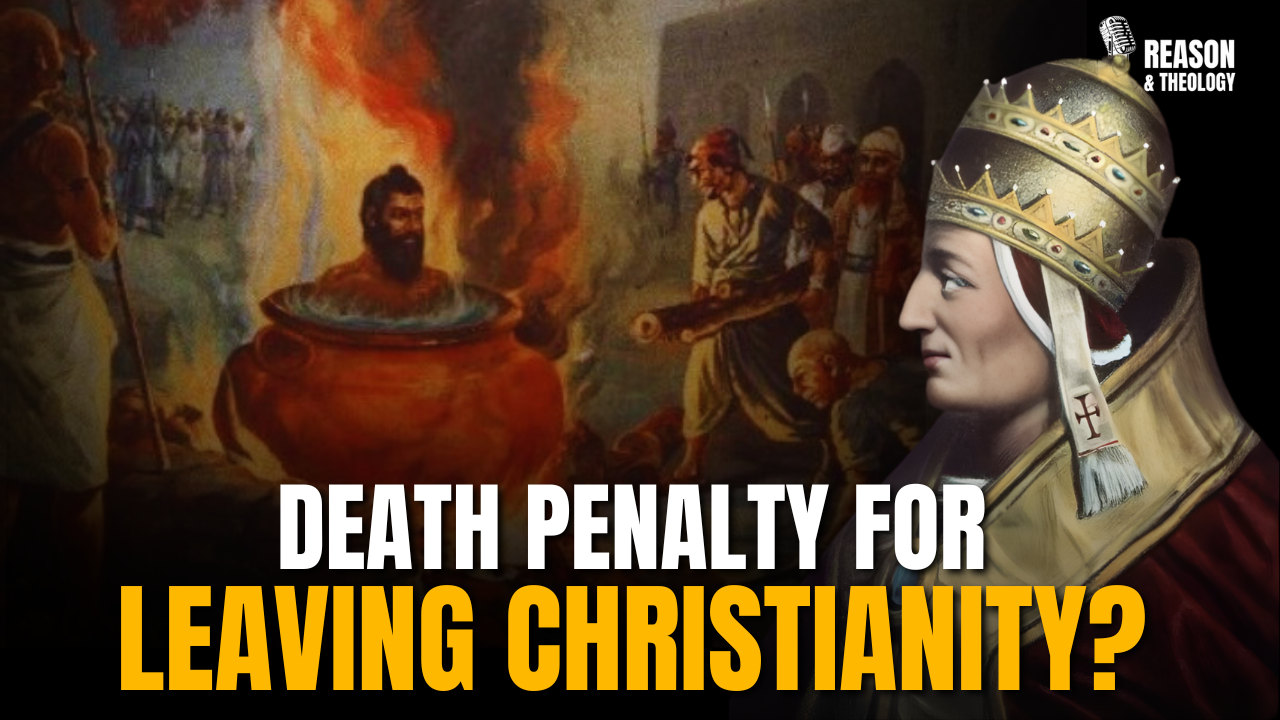
Was Leaving Christianity Punishable by Death in Church History?
apostasy, catholic church history, catholic history, christianity documentary, church history, death penalty for apostasy, death penalty heresy, did christians execute heretics, did the church kill heretics, fourth lateran council, giordano bruno, heresy in christian history, history of apostasy, inquisition history, medieval inquisition, pope innocent iii, punishment for heresy, R&T Media, religious persecution history, Why Was Leaving Christianity Punishable by Death in Church History?